Definitions
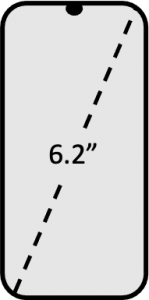
Screen Size
Screen size remains the driving feature of smart phones and the demand for very large screen has required changes in the aspect ratio to allow for devices that combine aesthetics with usability. The S2B Ratio defines the share of the screen compared to the size of the device.
notch Type
Notch Type Design is back! In the quest for full screen almost bezel less devices manufacturers have started to cut out the camera space from the display. Initially popularised as a notch bar this design differentiator has produced multiple variants.
N/A
Hole
Teardrop
Bar
Dualhole
Full Screen
Memory Configuration
- <4GB <0.5GB RAM
- 4GB 0.5GB RAM
- 8GB 0.5GB RAM or 8GB 1GB RAM
- 16GB 1GB RAM, 16GB 2GB RAM or 16GB 3GB RAM
- 32GB 1GB RAM, 32GB 2GB RAM, 32GB 3GB RAM or 32GB 4GB RAM
- Etc.
Battery Capacity
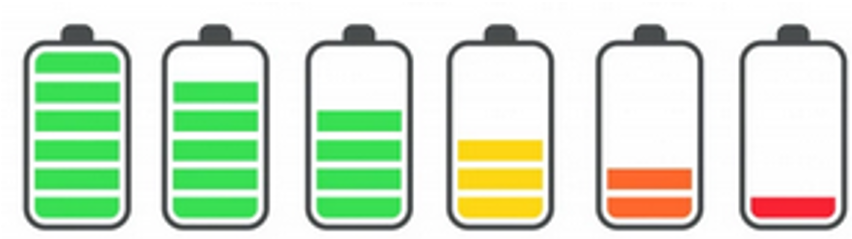
The battery capacity is measured in mAh or Milliamp Hours. A unit for measuring electric power over time. mAh is commonly used to describe the total amount of energy a battery can store at one time. A battery rated for more mAhwill power a phone for a longer amount of time, given the same usage pattern.
Photography
Camera Lenses & Resolution Multi-camera and multi-lens arrays have become the norm on smartphones. Camera specs be it number of lenses combined with lens resolution feature heavily in consumer-buying decisions in emerging markets such as Africa
The specialisation of the individual cameras within a multiple lens array allows for increasing resolution numbers identified in the reports by their megapixel value shown in descending order for front and/or main camera arrays. For example 13MP+2MP or 24MP+8MP+5MP.
No Dual Cam
Dual Cam
Tripple Cam
Quadcam
Quintuple
Operating System
A mobile operating system, also abbreviated as mobile OS, is an operating system that is specifically designed to run on mobile devices such as mobile phones, smartphones, PDAs, tablet computers and other handheld devices. The reports splits Android into versions due to its market dominance, other OS are combined (iOS, KaiOS, etc.).

- Android 9 Oreo, 9 Pie and 10
- IOS, BB10 and many more
Launch Year
The launch year is defined as the year when the product became available anywhere in the world. It is not the first activity in a tracked country. All models within a specific product range have the same launch year across countries. This metric defines the age of the assortment and is a very good indicator of future brand shares. In any given year around 2/3 of the sales recorded in the month of December are generated by products launched in that year.
Generation
- 2G or 2nd generation was the first network standard that used digital radio signals. Main motive of this generation was to provide a secure and reliable communication channel. It implemented the concept of CDMA and GSM . Provided small data service like sms and mms.
- 3G introduced web browsing, email, video downloading, picture sharing and other smartphone technology. The goals set out for the third generation of mobile communication were to facilitate greater voice and data capacity, support a wider range of applications, and increase data transmission at a lower cost.
- 4G or often called LTE set out to provide high speed , high quality and high capacity to users while improving security and lower the cost of voice and data services, multimedia and internet over IP. Potential and current applications include amended mobile web access, IP telephony , gaming services, high-definition mobile TV, video conferencing, 3D television, and cloud computing.
- 5G is currently under test-implementation with few available devices. 5G promises significantly faster data rates, higher connection density, much lower latency, among other improvements.